
Sound and Anxiety:
How the Vagus Nerve Changes Everything
We are living in a time of enormous change. Shifts in leadership, culture, economics, and community structures ripple into our everyday lives whether we consciously follow them or not. Even when we try to stay grounded, our nervous systems feel the undercurrent.
Change brings uncertainty. Uncertainty often shows up as anxiety.
And anxiety is not just “in your head.” It is the body signaling that the autonomic nervous system is out of balance.
As a sound practitioner, I see this every day. People come into my studio overwhelmed, wired, exhausted, overstimulated. They are not broken. Their nervous system is simply stuck in overdrive.
Understanding the vagus nerve explains why sound works so profoundly.

What Is Actually Happening in the Body?
The autonomic nervous system has two primary branches:
• The sympathetic nervous system (SNS) – our fight or flight response
• The parasympathetic nervous system (PNS) – our rest, digest, and restore response
When the sympathetic system is overactivated for too long, anxiety becomes a pattern. The body stays braced. The breath becomes shallow. The heart rate subtly increases. Digestion slows. Sleep is disrupted.
The vagus nerve is the master communicator of the parasympathetic nervous system. It runs from the brainstem down through the heart, lungs, and digestive organs. When we stimulate the vagus nerve, we send a powerful message to the body:
You are safe.
You can slow down.
You can soften.
The goal is not to eliminate the sympathetic response. We need it. The goal is equilibrium.
Where Sound Comes In
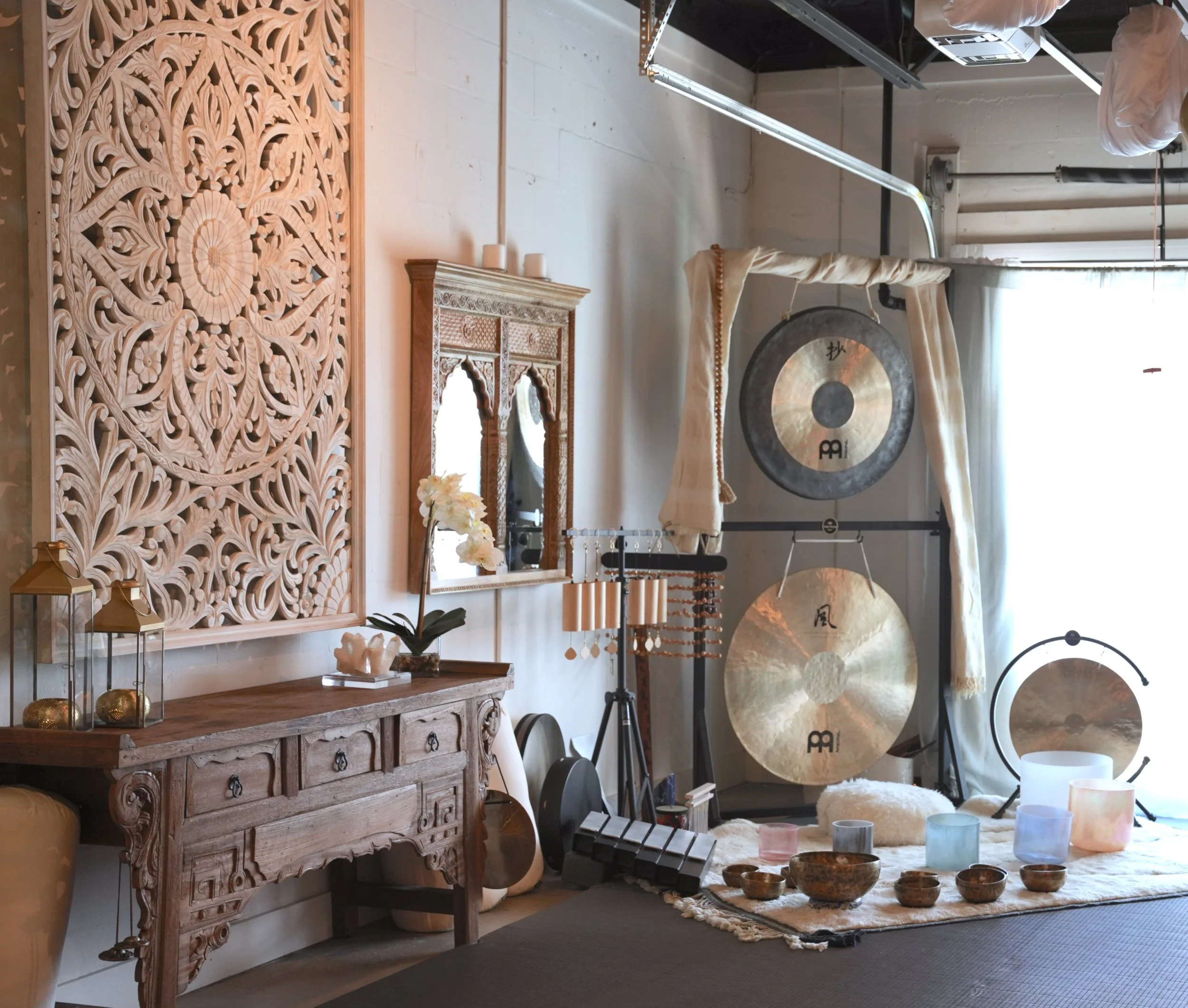
In my work at Inspire Teresa, sound is not simply something you hear. It is something you feel in your body.
One of the most powerful ways to stimulate the vagus nerve is through extended exhalation. Research consistently shows that a longer, slower exhale activates the parasympathetic response more strongly than the inhale.
A simple ratio many people can begin with is:
Inhale for 4
Exhale for 8
(Always within your own comfort. If you have medical concerns, consult your healthcare provider.)
Now here is where sound becomes transformational.
When we hum gently on the exhale, three powerful things happen:
The exhale naturally lengthens
The vibration of the larynx increases vagal stimulation
Nitric oxide production in the sinuses increases, supporting circulation and oxygenation
So the flow becomes:
Sound → Breath → Vagus Nerve → Parasympathetic Nervous System → Calms the Sympathetic Nervous System
Sound makes the breath stronger.
The breath stimulates the vagus nerve.
The vagus nerve signals the body to relax.
This is why humming, toning, and certain sound bath frequencies feel so regulating. They are not just beautiful. They are physiological.
Why This Matters in Today’s World
We cannot always control external change. But we can learn to regulate internally.
When we use sound intentionally, we are not bypassing anxiety. We are working with the body’s natural wiring. We are restoring communication between the brain and the heart. We are teaching the nervous system that it does not need to live in fight or flight.
Autonomic equilibrium is the goal.
And it is available.
In my private sessions, group sound baths, and corporate wellness experiences, I guide people through this process gently and safely. You do not need to force calm. You learn how to access it.
Anxiety is often a body asking for rhythm, breath, and safety.
Sound gives it exactly that.
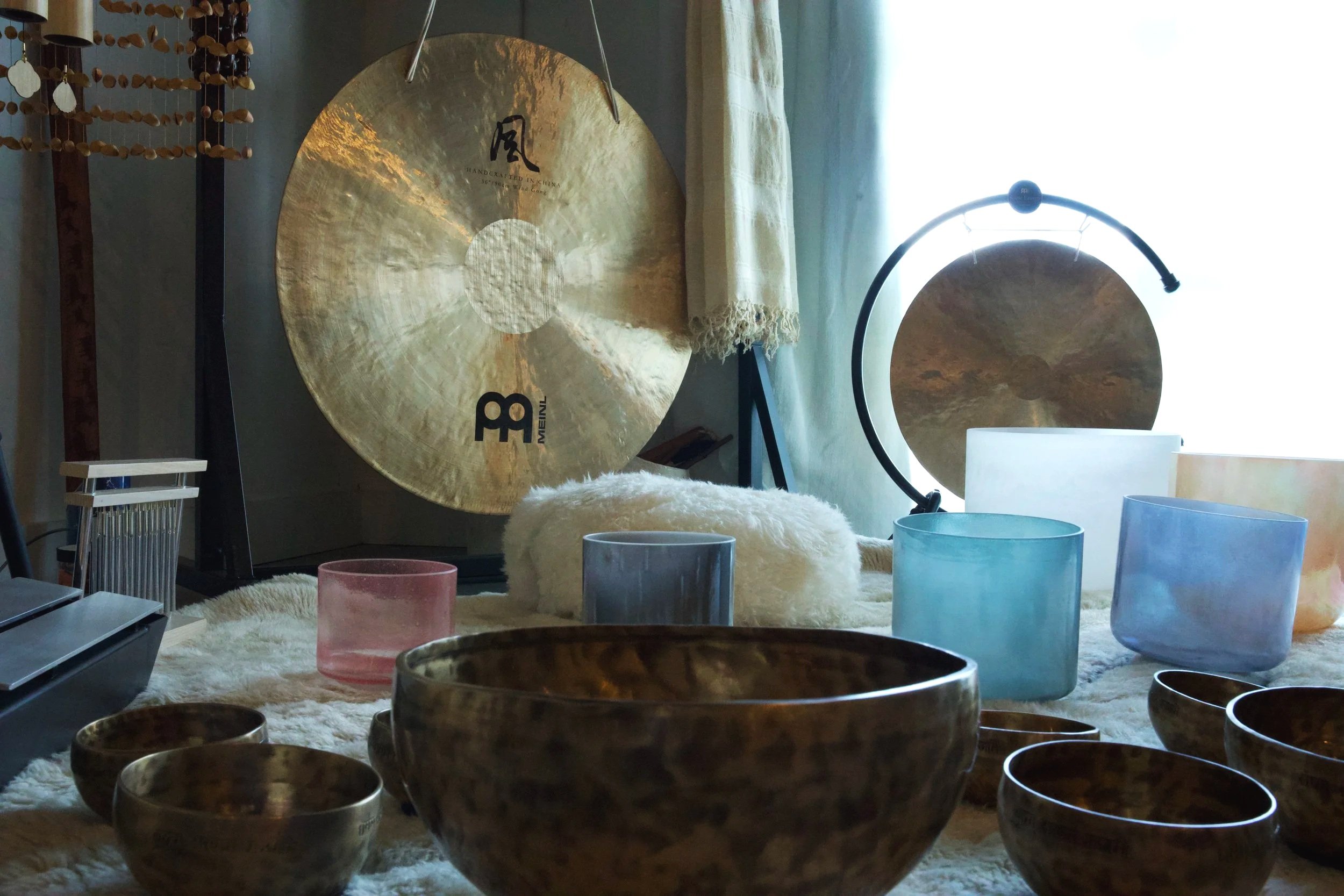
If you would like to experience this work in person, join us at Inspire Studio
1617 W. Platt Street, Tampa, Florida
You can also connect with me virtually for private intuitive and sound sessions.
Instagram: @Inspire_Teresa
Facebook: Inspire Teresa
Your nervous system deserves care.
And sometimes the most powerful medicine is your own breath, guided by sound